Rafter Sports app
Summary
Designed the end-to-end product experience for a peer-to-peer sports betting app that combined social content, bet creation, live match experiences, and gamification in a familiar mobile experience.
Role
Product Design Lead: Led product design from early product definition through high-fidelity prototypes and a scalable design system, working with Product, Engineering, Marketing, and leadership across a distributed team.
Overview
Goals
- Make sports betting more social and approachable
- Create clear paths from content discovery to bet creation and placement
- Support different user types while meeting betting and compliance requirements
Approach
- Used familiar social and video-feed patterns to reduce the learning curve
- Designed end-to-end flows across onboarding, content, matches, betting, wallet, profiles, and gamification
- Built a reusable design system and prototypes for product, engineering, investor, and stakeholder reviews
Scope
200+ screens
Product designs
12 user flows
End-to-end UX
50+ assets
Design system
2 prototypes
Figma + app
Final designs
Home feed
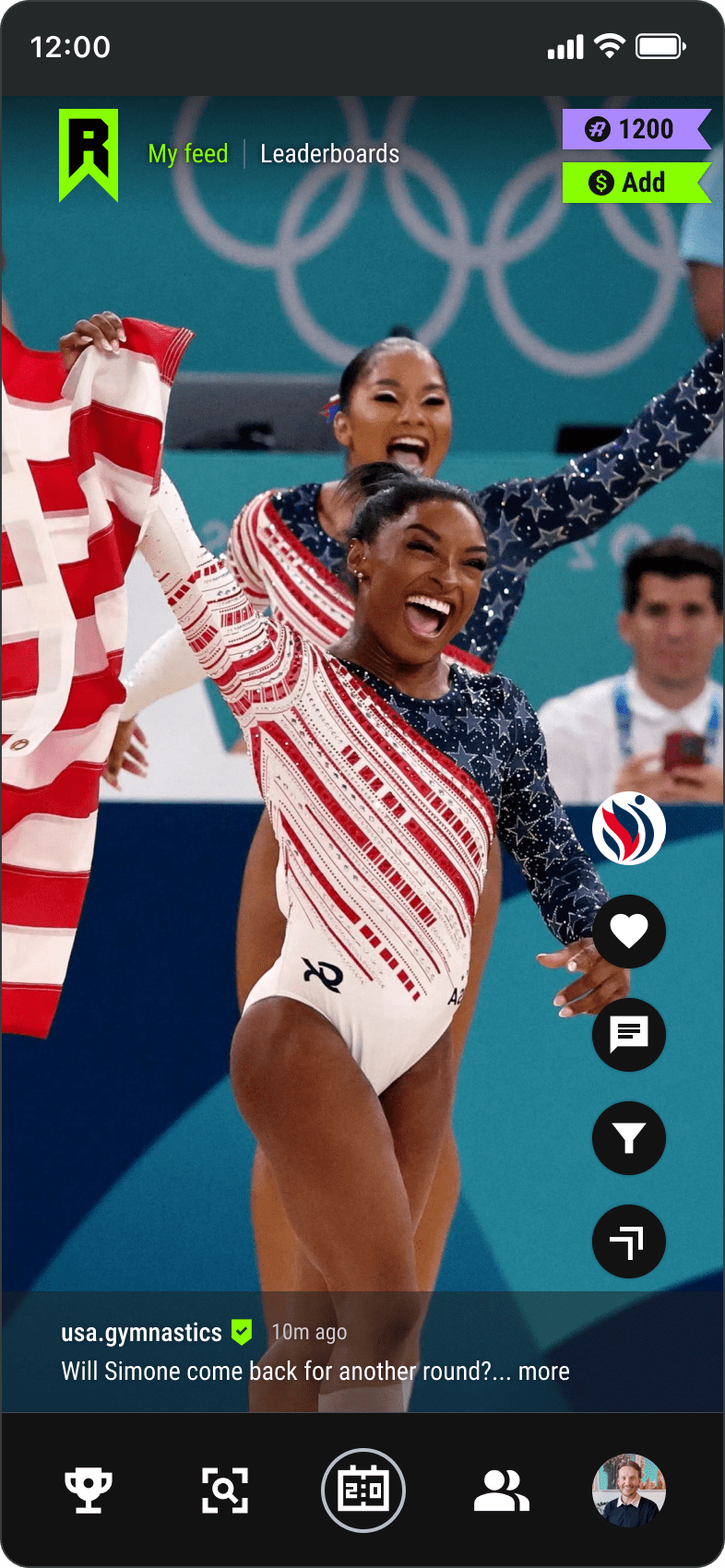
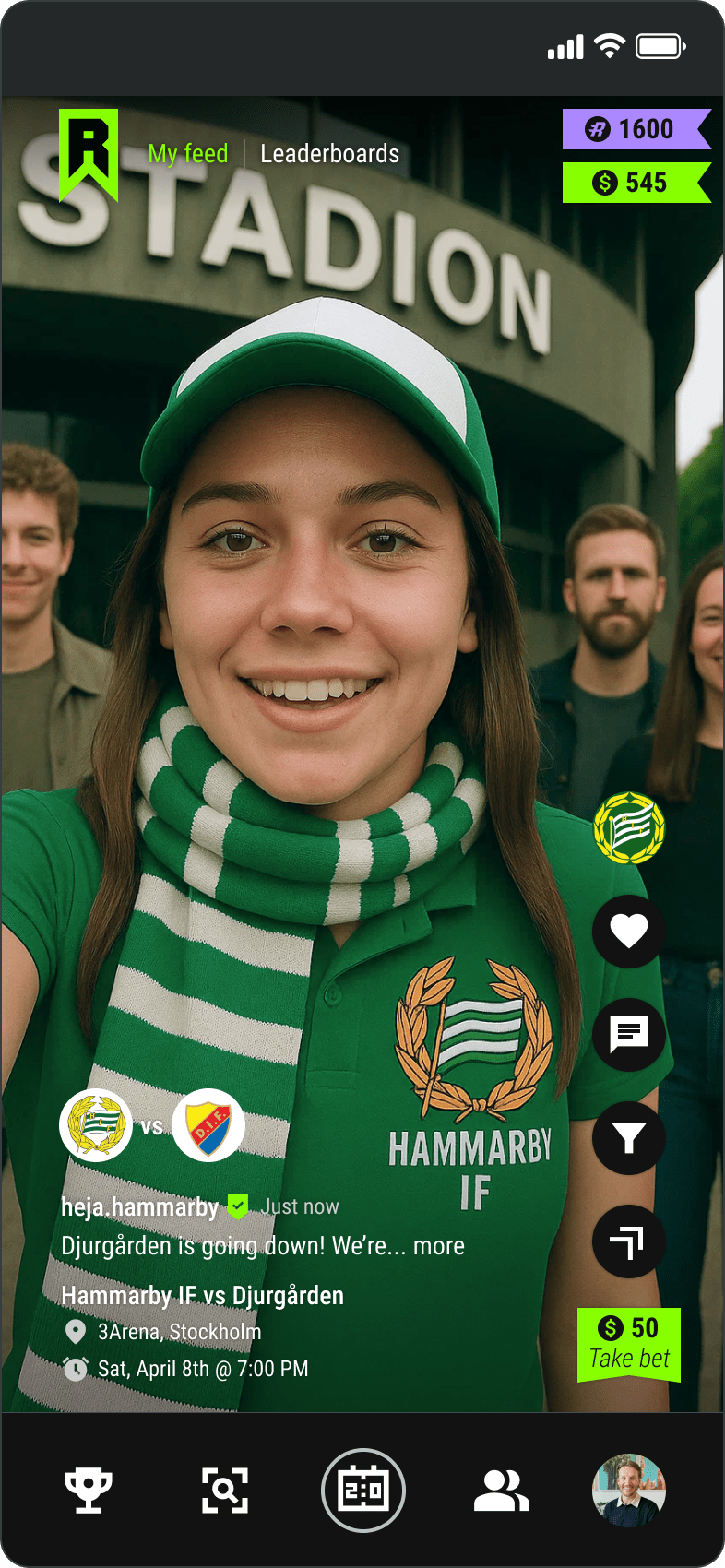
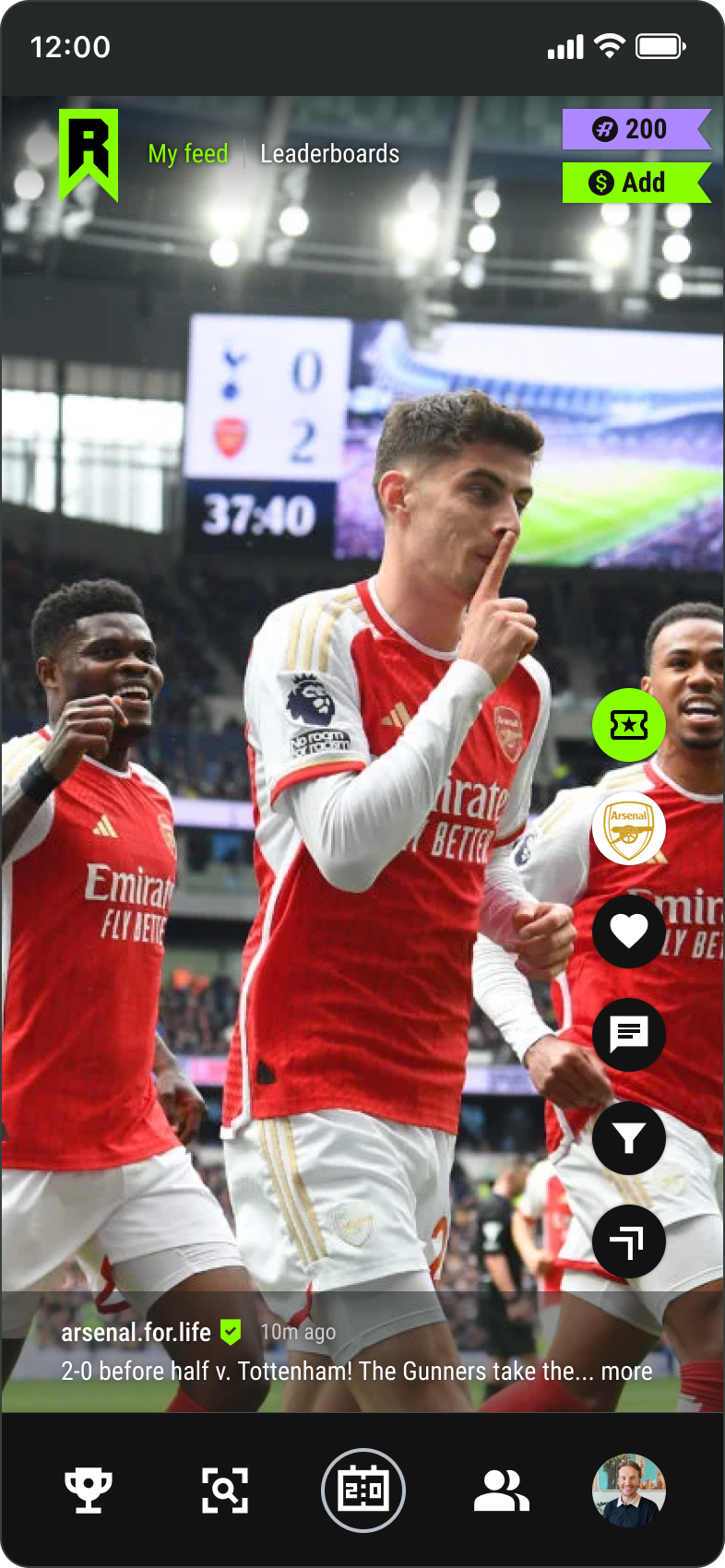
The core user experience: a vertically scrolling feed showing user posts, videos, and active bets. Designed to mirror familiar social apps and drive content discovery.
Walkthroughs
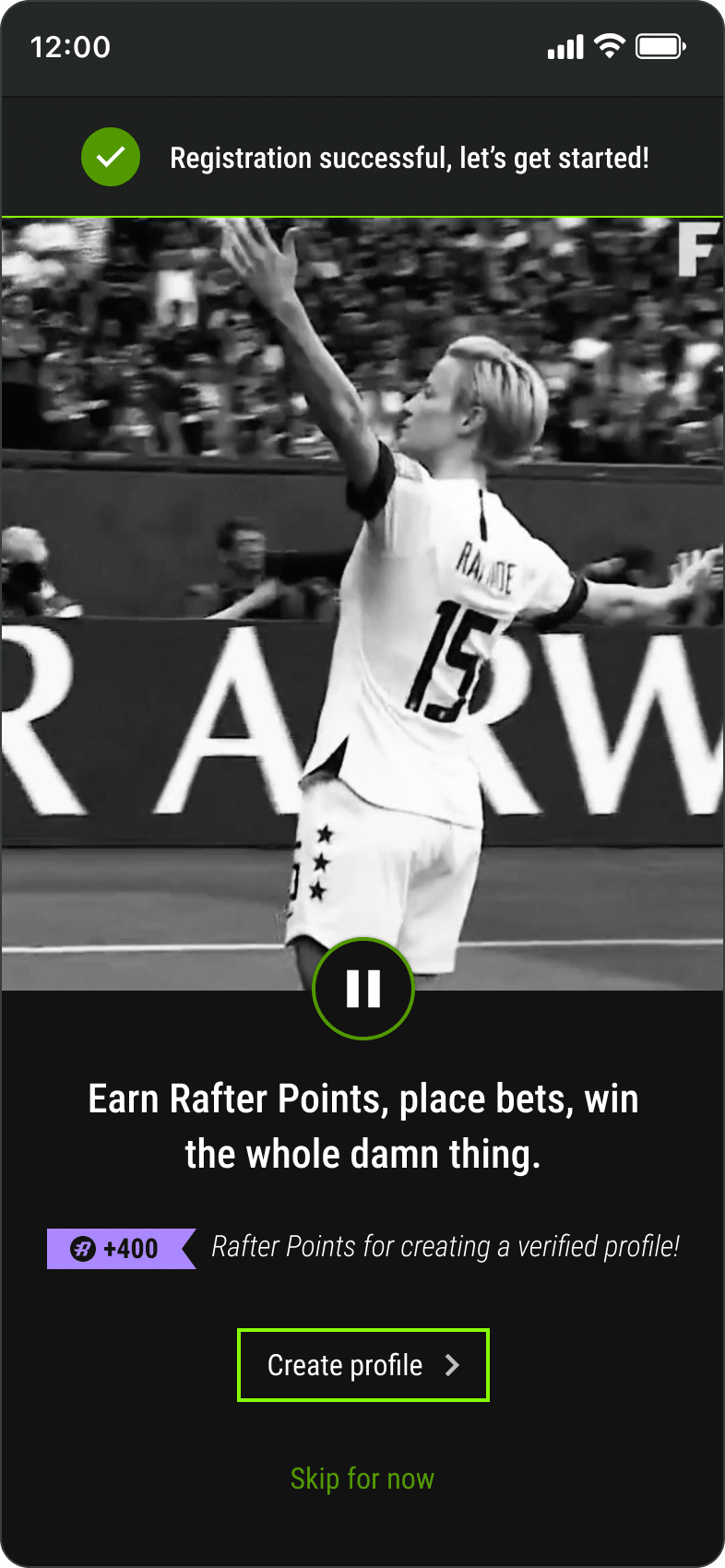
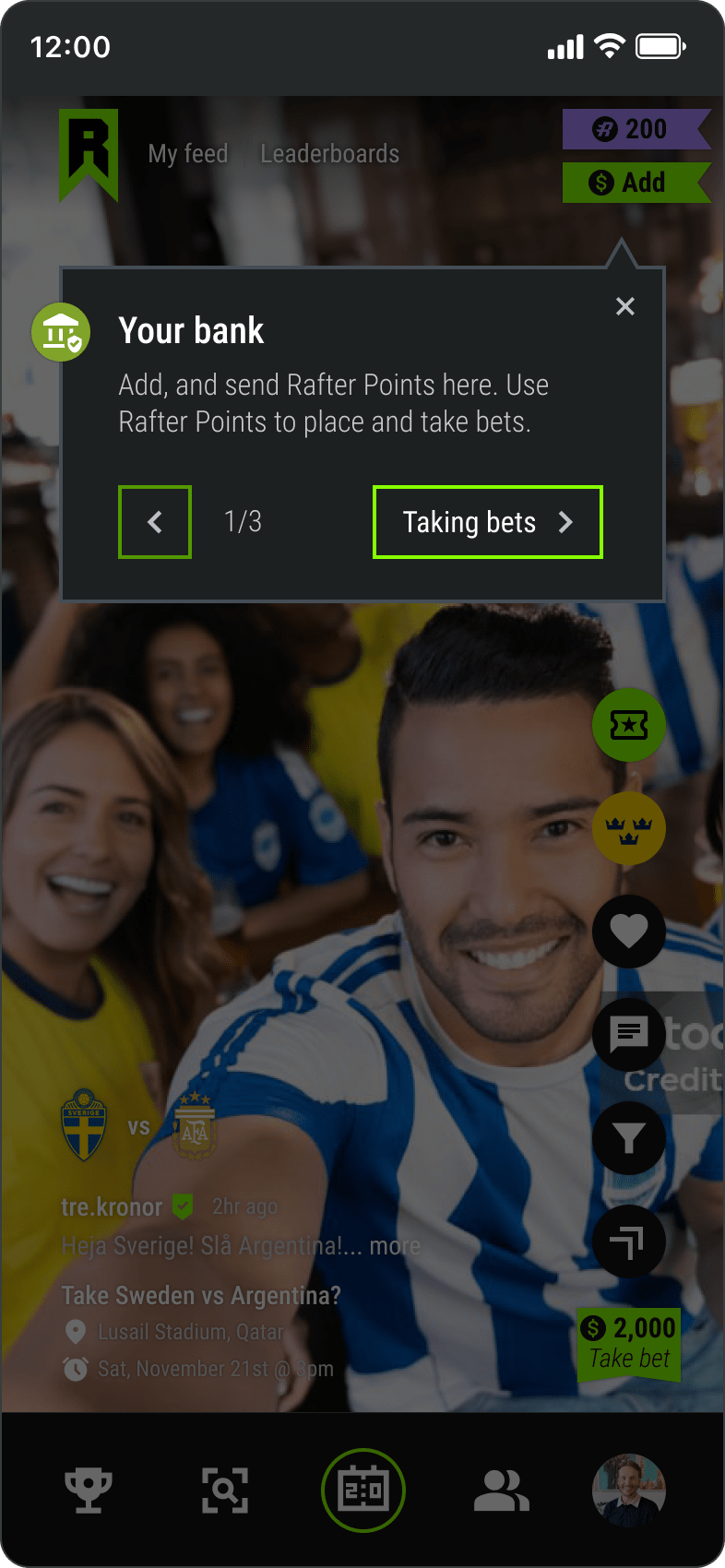
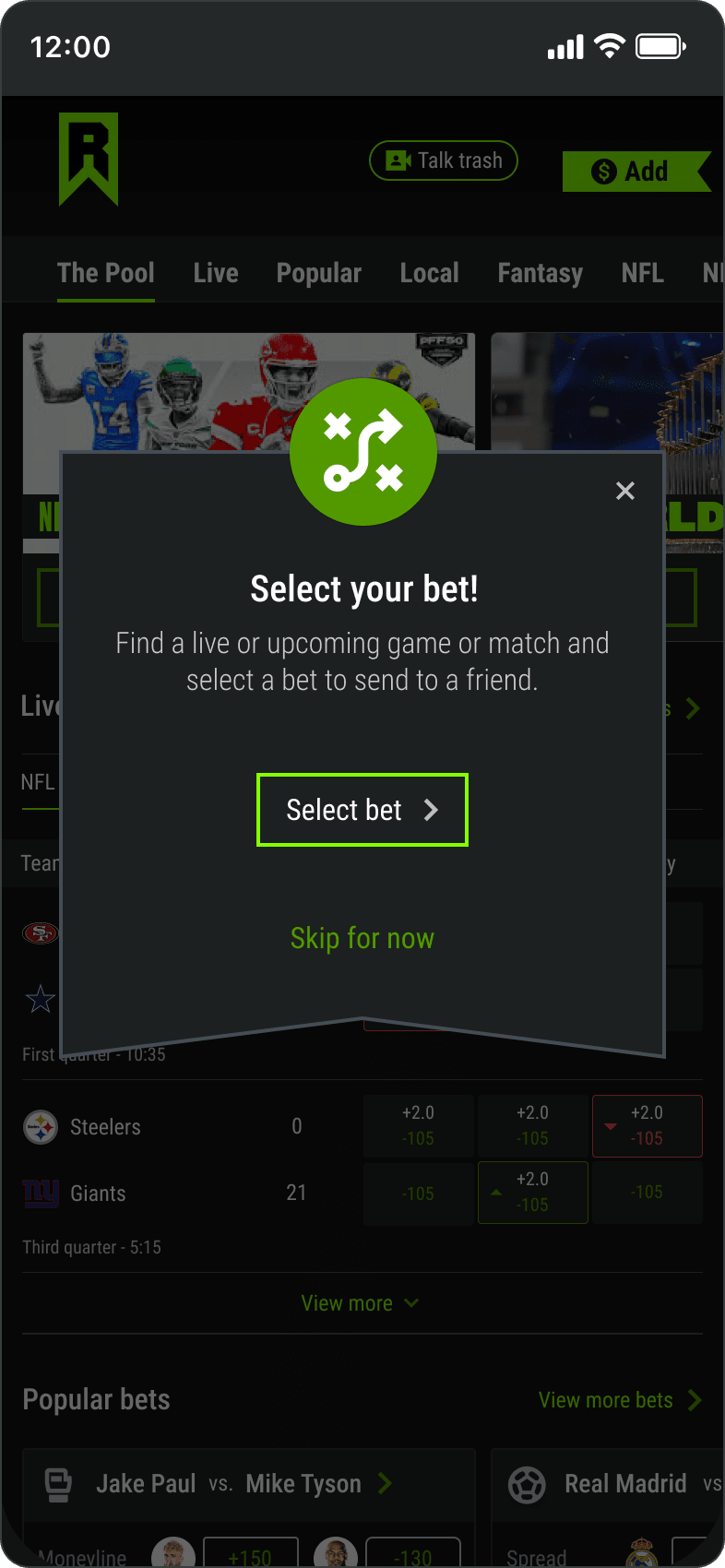
To reduce drop-off, we created optional tooltip-based walkthroughs that guides users through their first bet. The flow adapts to whether a user comes from a video, challenge, or match screen making the path smooth regardless of entry point.
Games and matches
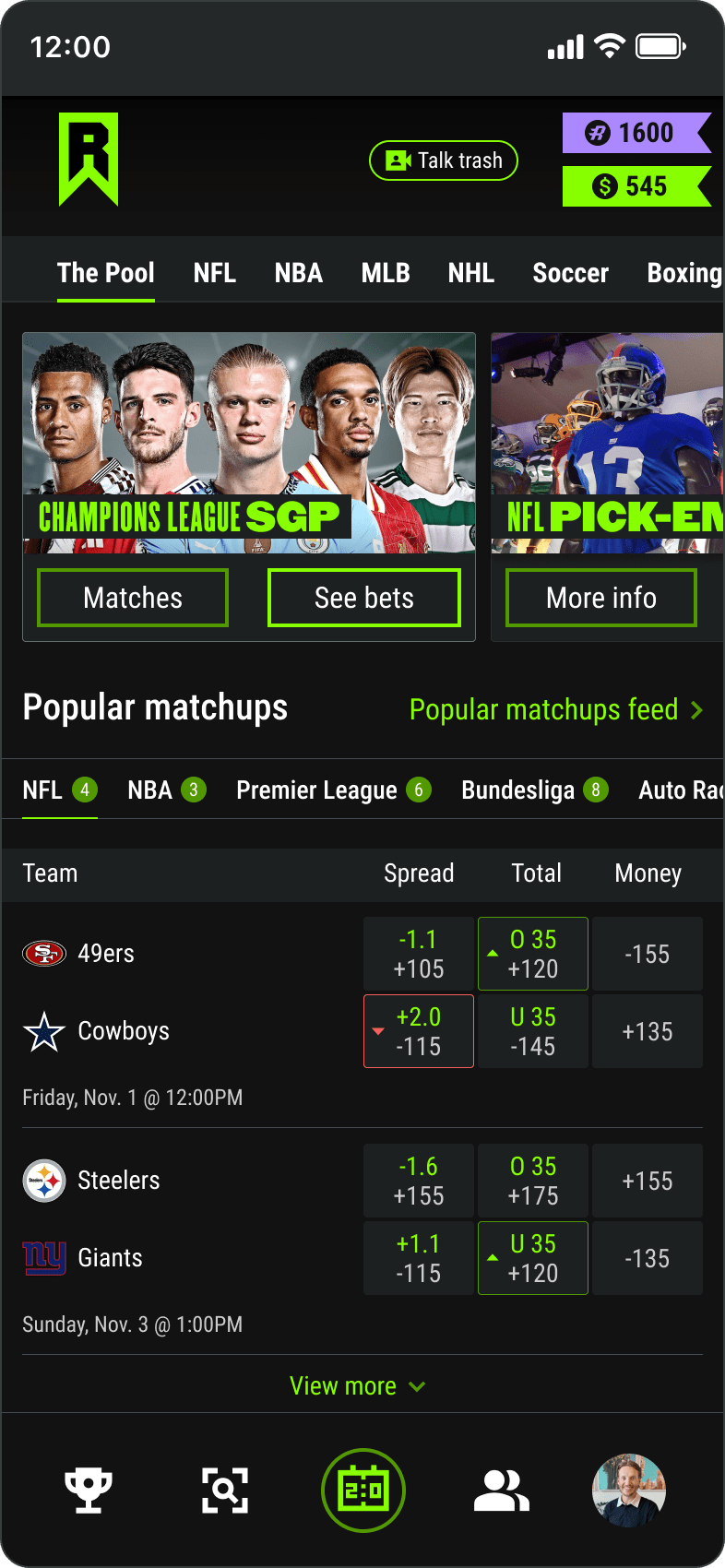
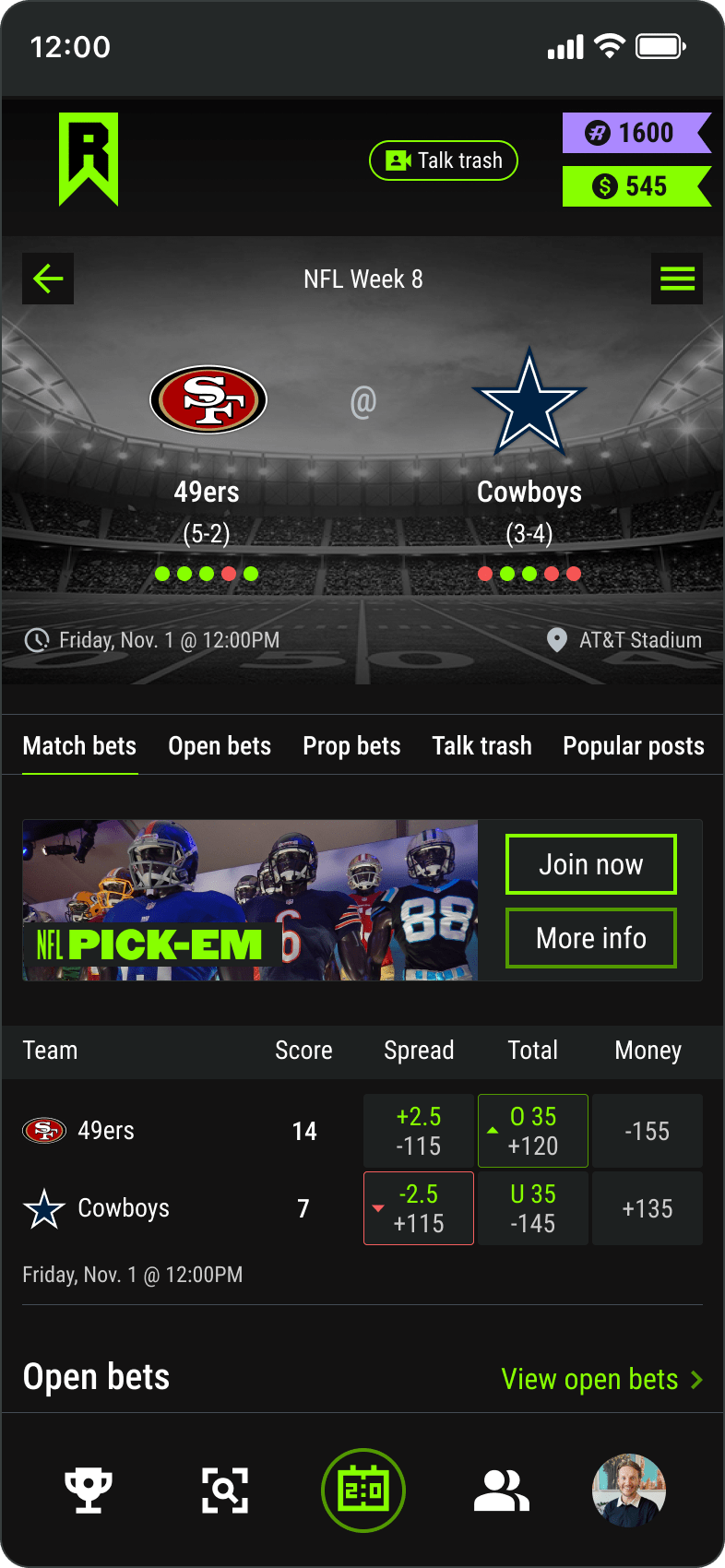
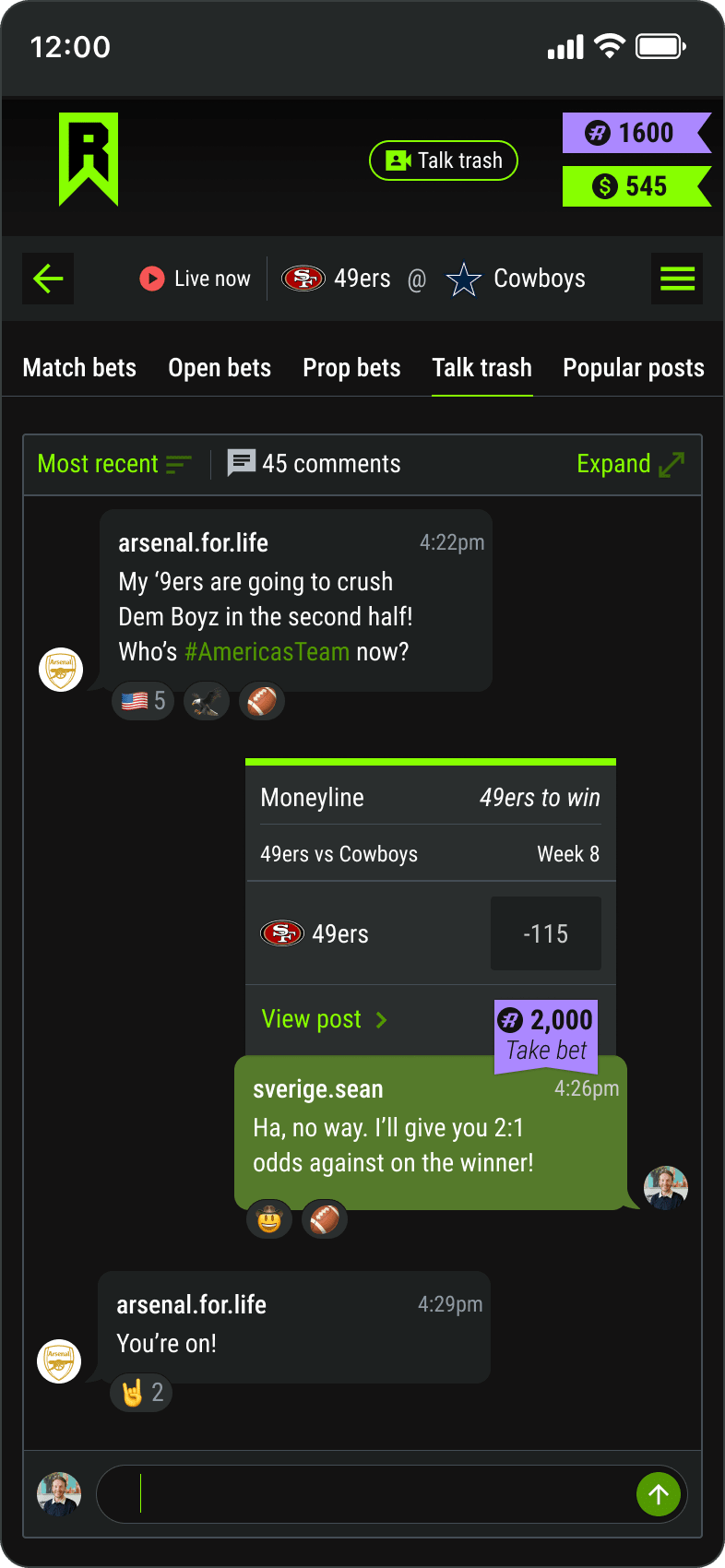
Match screens combine live stats, predictions, local bets, video posts, and chat which give users everything they need to follow and bet in one place. These features make betting more social and engaging, turning each game into a shared experience.
Gamification
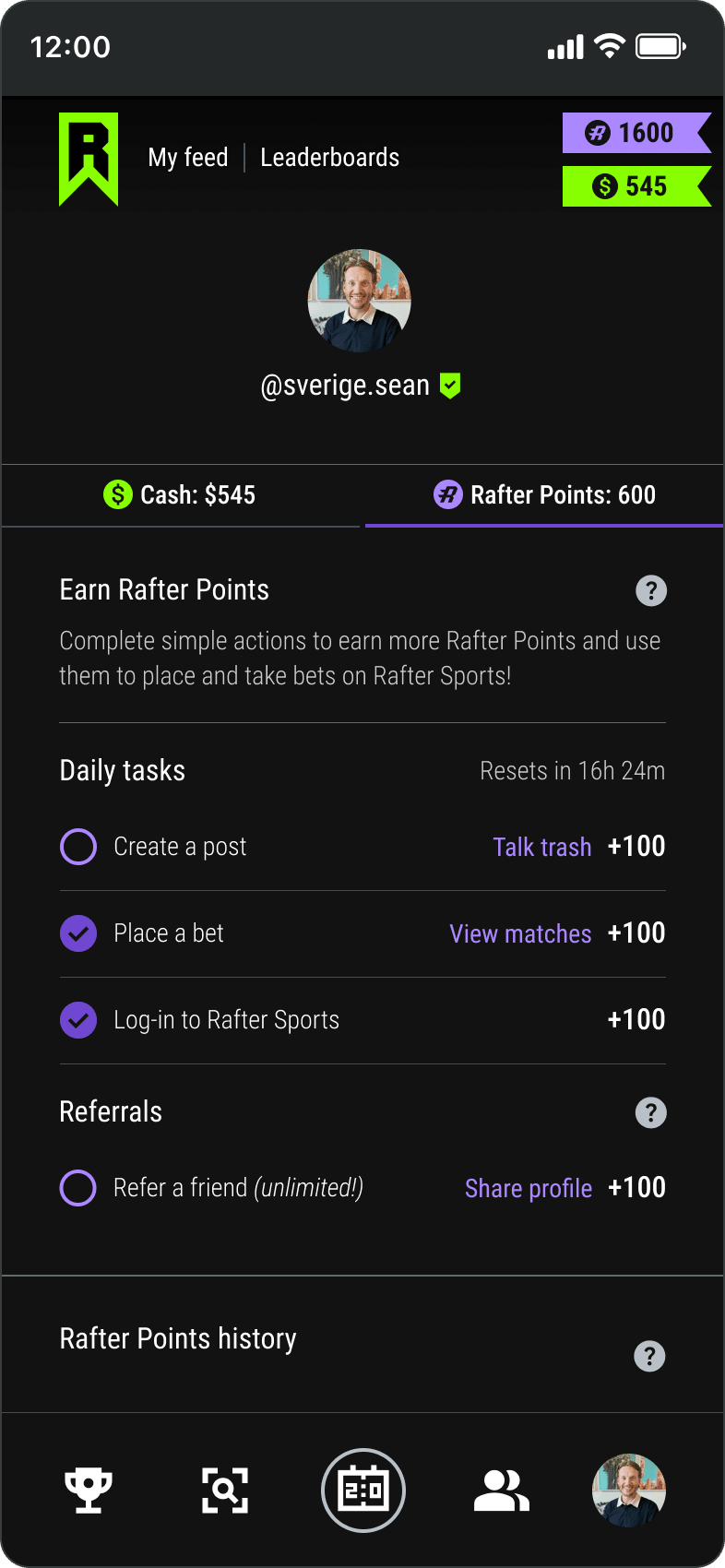
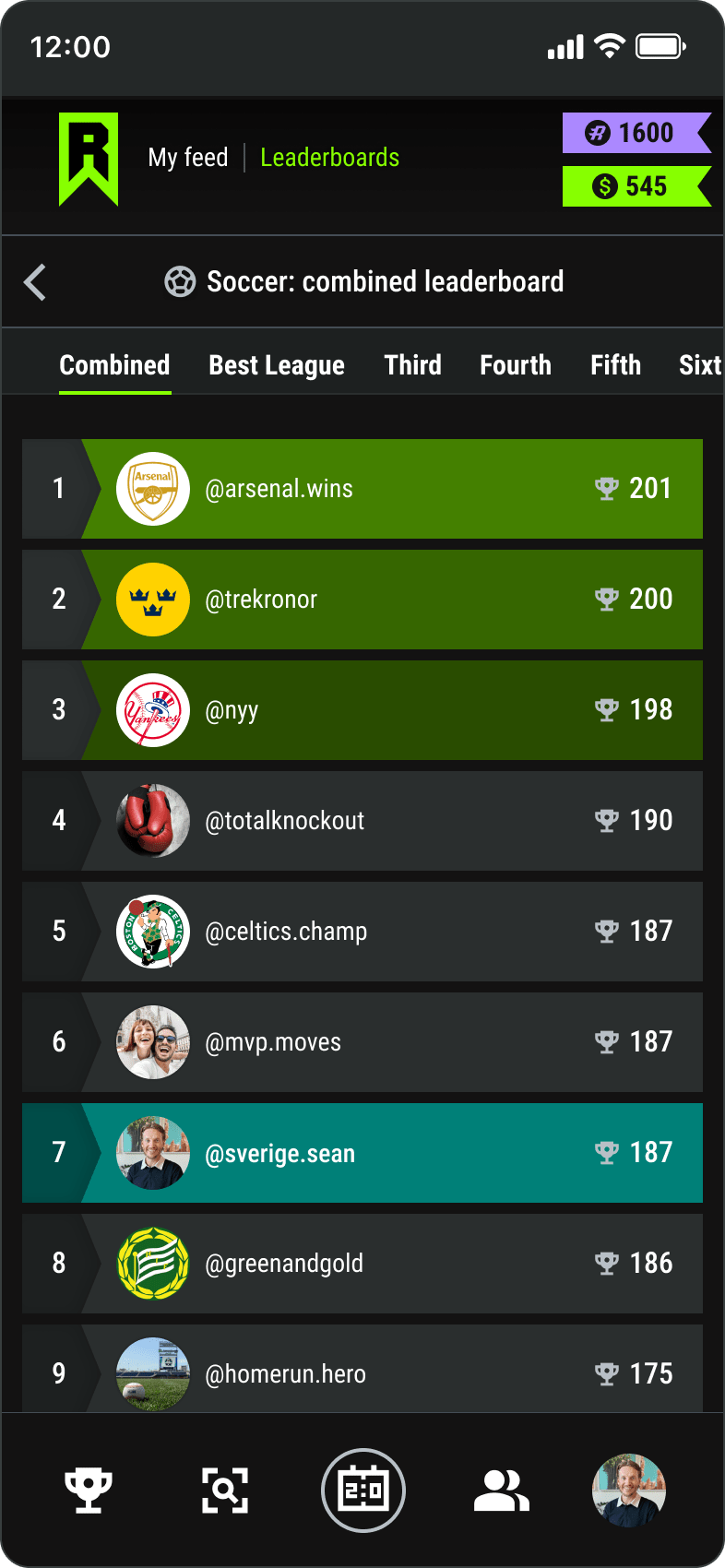
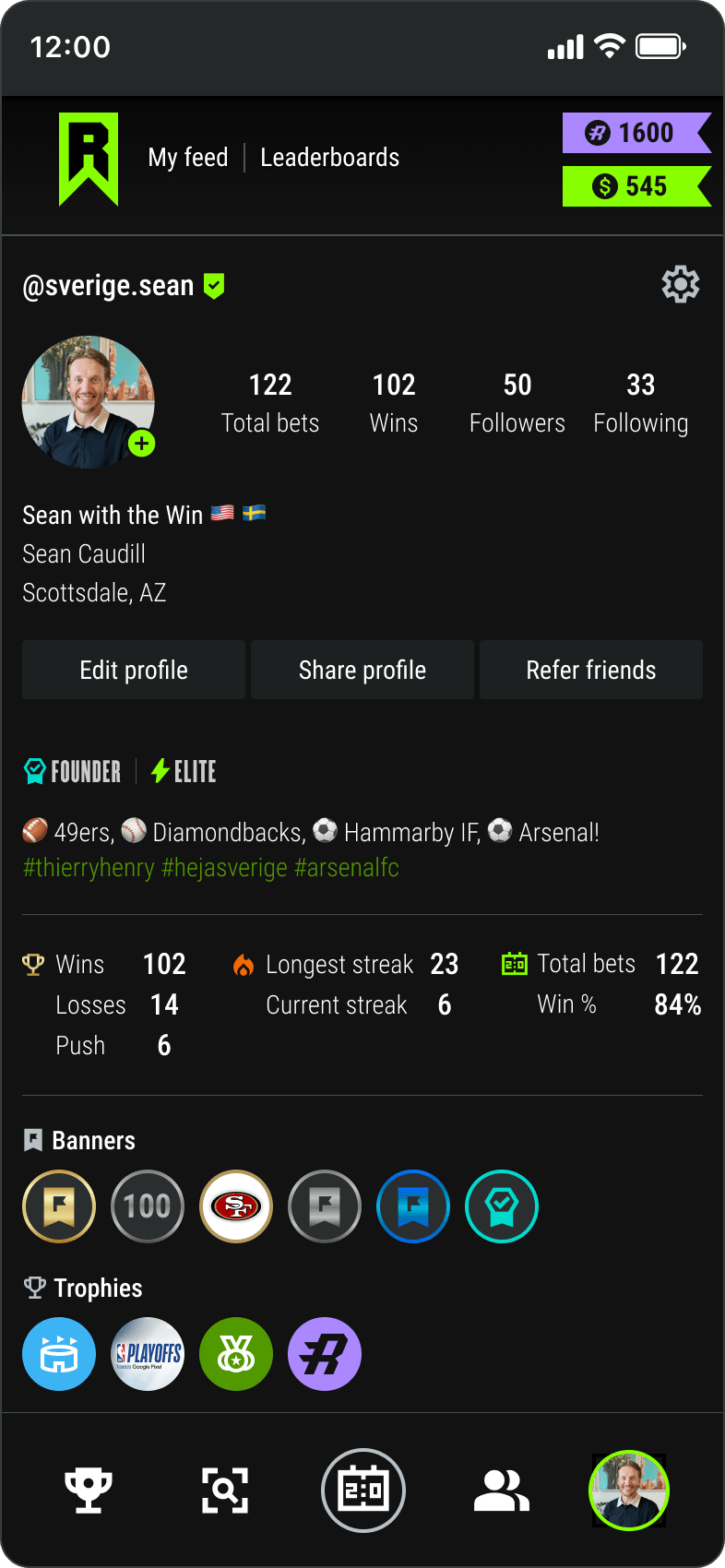
Users earn app currency, badges, and trophies by staying active. Leaderboards encourage friendly competition and highlight top performers in each sport. This motivates repeat engagement and rewards consistent play.
UX process
Discovery
Insights were gathered through competitive analysis, feature benchmarking, and behavior reviews of comparable apps. These findings uncovered business opportunities and UX friction points.
Early design work focused on flows like onboarding, feed engagement, bet creation, leaderboards, and profile customization, which were all structured around speed, simplicity, and compliance.

Competitor insights
Feature planning
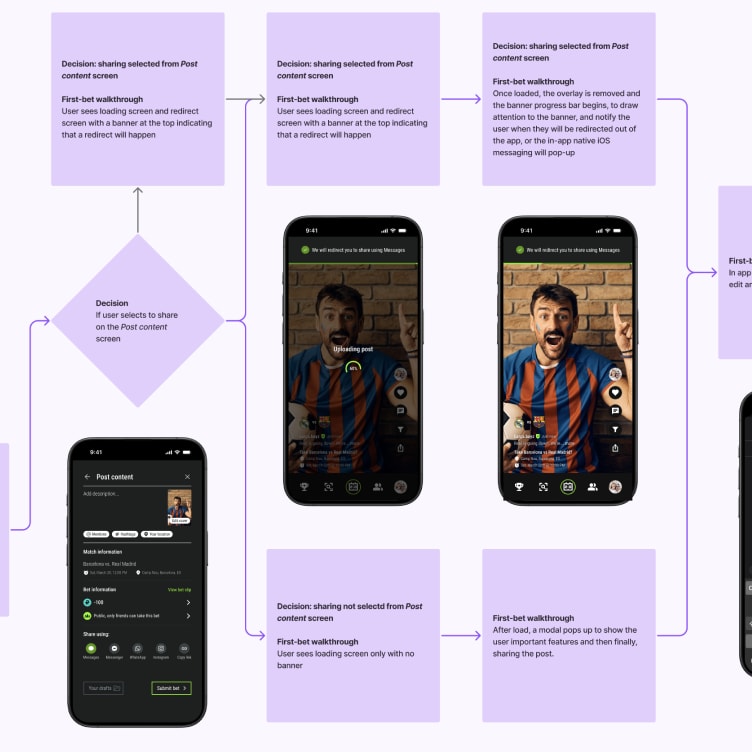
Drafting user flows
Design
Guided by Jakob's Law, the UX was designed to feel sporty, modern, and instantly familiar. Bold visuals featuring sports content and athlete imagery bring energy to the experience. The brand typography, Champion for headlines and IBM Plex Mono were incorporated in imagery, and Roboto was used as the app's text to meet accessibility standards.
A modular component library was created in Figma to support rapid iteration and visual consistency across 12 product areas. Built on atomic design principles, the system includes scalable brand styles, UI primitives, and modular components like bet cards and social posts to ensure consistency throughout the app.
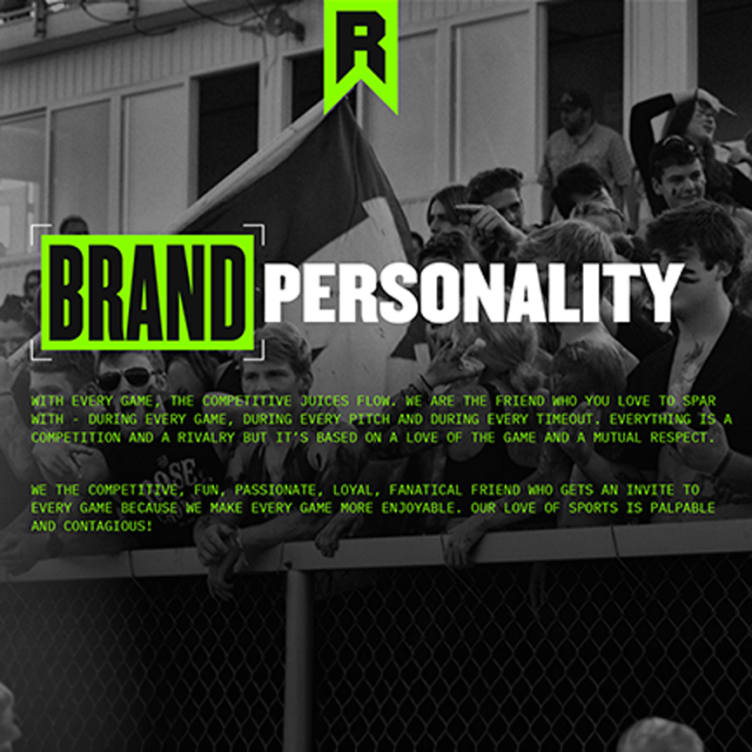
Leveraging brand assets
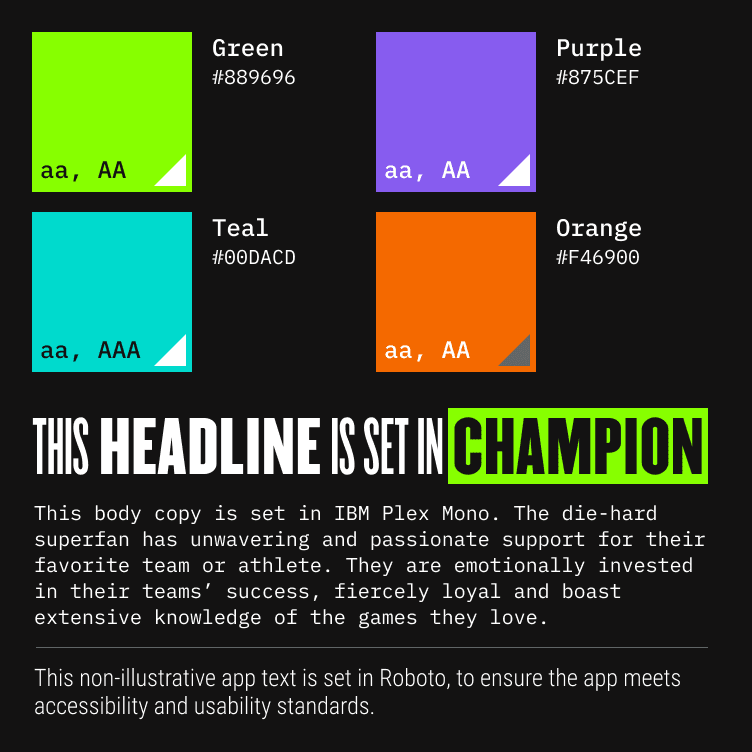
Design system foundations
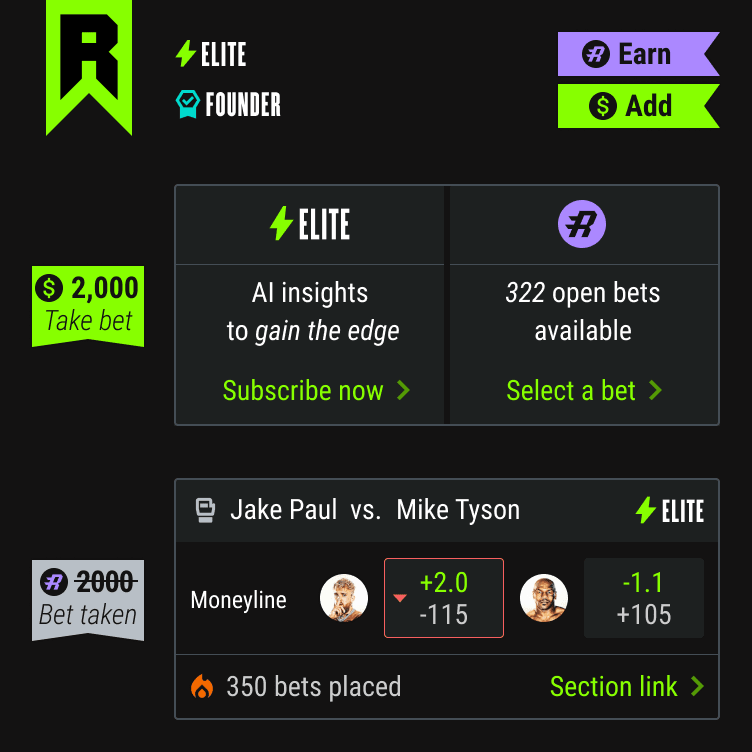
Reusable components
Prototype
A high-fidelity prototype was built in Figma and then translated into a working app prototype by the engineering team. This allowed the product team to test flows, share with investors, and begin parallel development for the final build.
Analyze
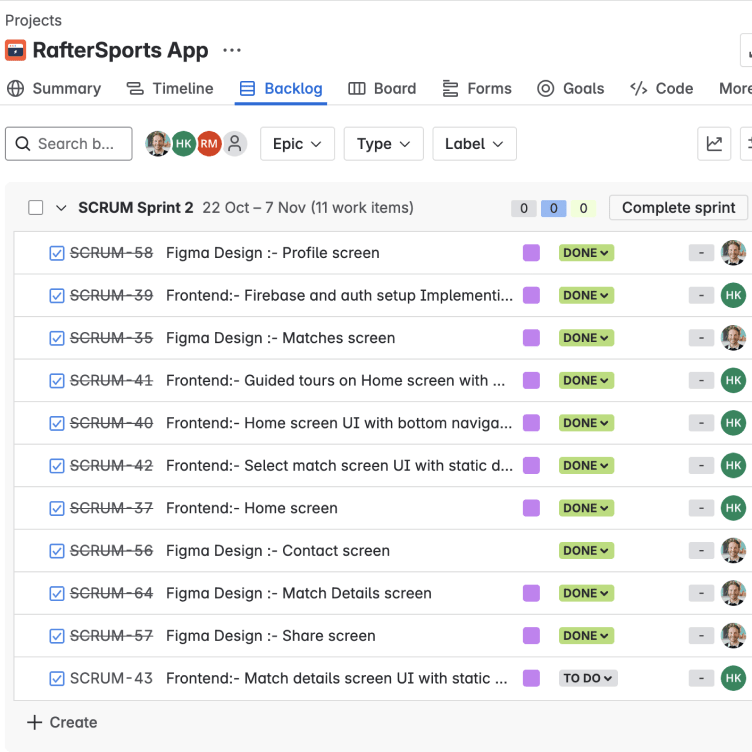
We quickly identified friction in areas like location and identity verification with internal QA and product walkthroughs. Adjustments were made in real time using Jira and Agile methods to resolve bugs and streamline flow logic before handoff.
Iterate
Feedback from stakeholders and early testers led to revised onboarding screens, improved call-to-action clarity, and more flexible privacy controls. The team operated as a global unit: product and leadership in the U.S., design in Sweden, and engineering in India.